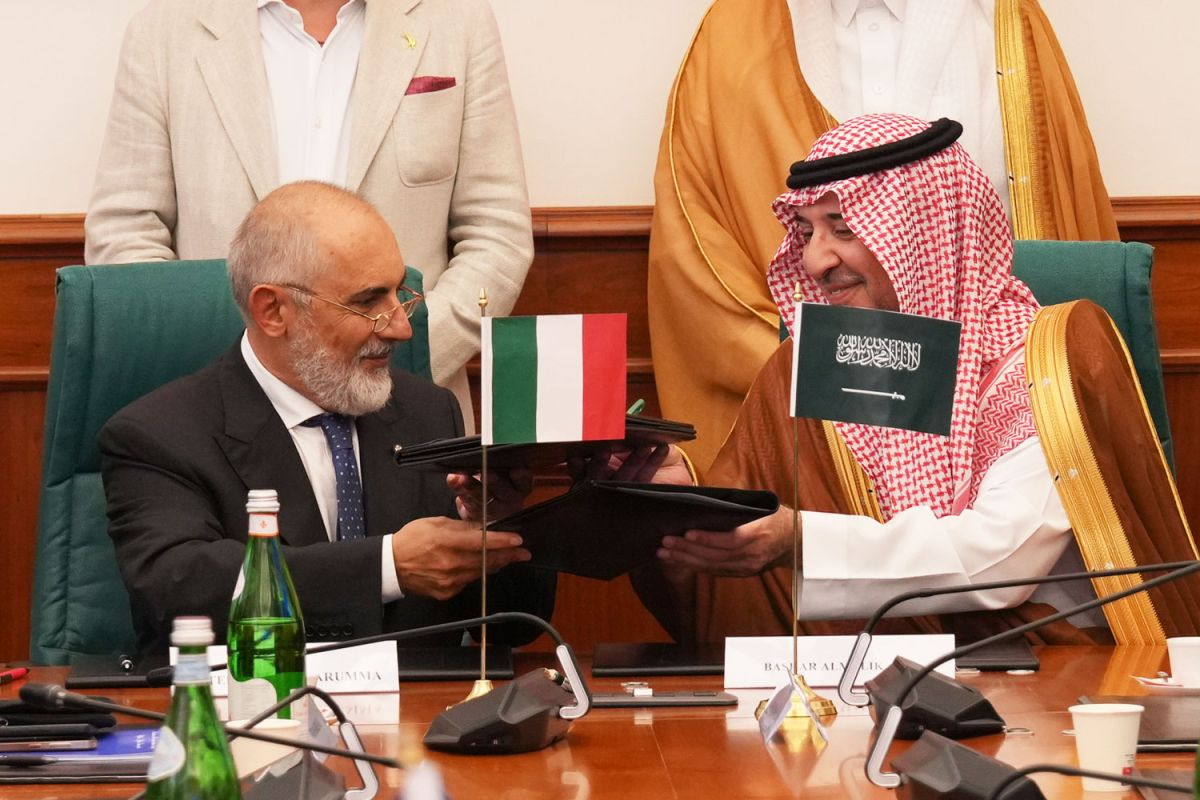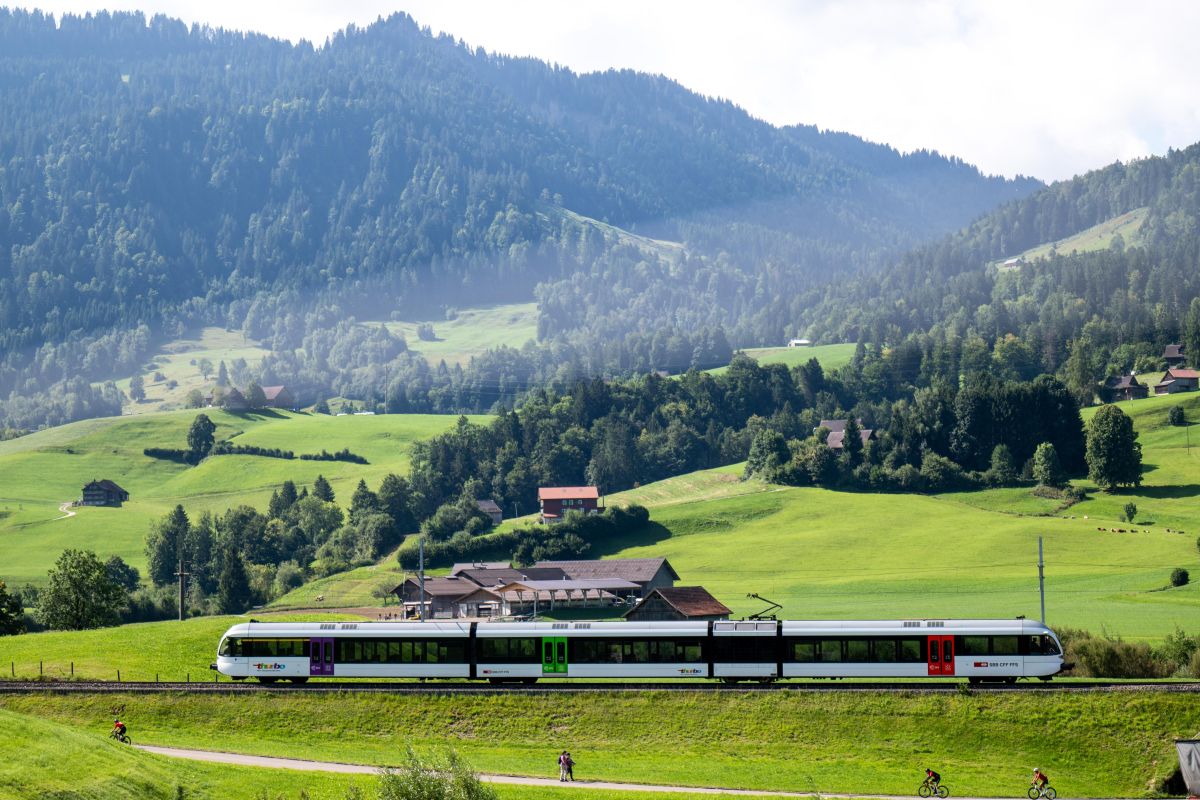
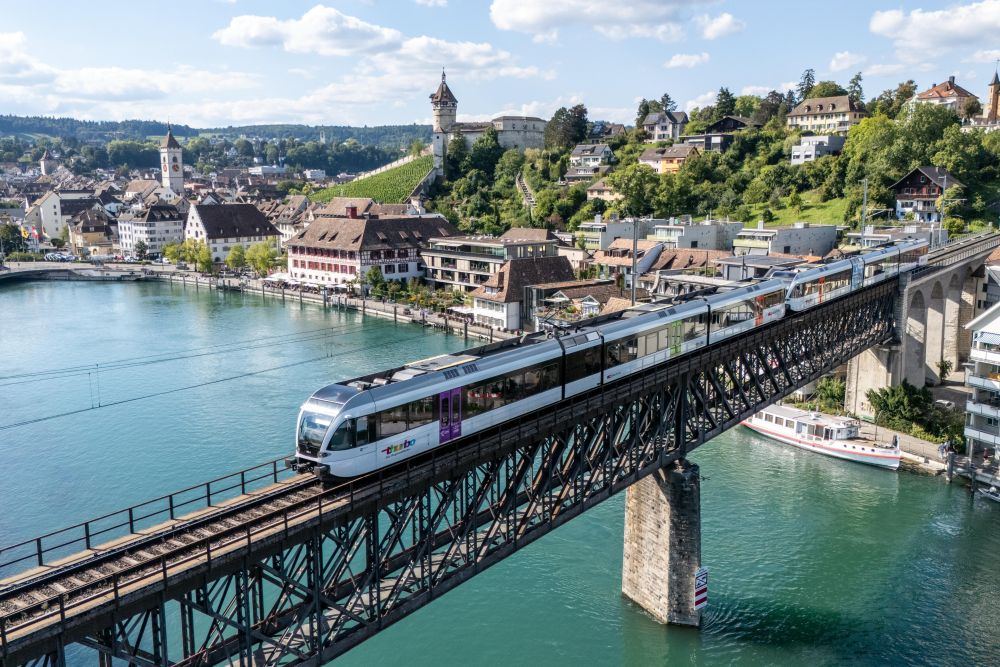
Stadler has signed an agreement to purchase, refurbish and resell 93 GTW articulated multiple units previously operated by Swiss regional railway Thurbo to Hungarian State Railways (MÁV). The trains will be delivered to Hungary in refurbished form between 2027 and 2034 and will replace older vehicles in MÁV’s regional fleet.
The project responds to MÁV’s growing need for rolling stock renewal in the coming years. Alongside new train procurement, the Hungarian operator explored the use of second-hand vehicles as a way to expand capacity more quickly. Following a technical assessment of conversion requirements and re-approval conditions for the Hungarian network, Stadler identified Thurbo’s GTW fleet as suitable for adaptation.
Under the agreement, Stadler will take over the vehicles in annual batches and carry out comprehensive modernisation works. Once refurbished, the trains will provide Hungarian passengers with around 14,000 additional seats, offering a level of comfort comparable to Stadler’s FLIRT fleet already in operation in the country.
The modernisation programme includes the installation of new passenger information systems, onboard video surveillance, driver assistance computers and sliding steps adapted to Hungarian platform heights. The trains will also be fitted with a combined Mirel and ETCS Baseline 4 train protection system and converted to operate under Hungary’s 25 kV electrification system. Each unit will be repainted in MÁV’s corporate colours and fitted with new seat upholstery. The refurbishment process takes approximately twelve weeks per train.
Prototype conversions are currently being carried out in Switzerland, while Stadler is preparing to establish a service facility in Hungary to support series refurbishment and subsequent maintenance activities.
From a lifecycle perspective, the project extends the operational use of relatively modern multiple units and offers an alternative to purchasing entirely new rolling stock. Stadler positions the Thurbo GTW programme as a reference model for future second-life projects, particularly for fleets delivered over the past two decades that are being phased out as operators transition to newer generations.
Thurbo’s GTW fleet originally comprised 110 vehicles. The Swiss operator began replacing them in 2021 with FLIRT Evo trains from Stadler and plans to fully withdraw the GTWs from service by 2034, aligning with the phased transfer to Hungary.