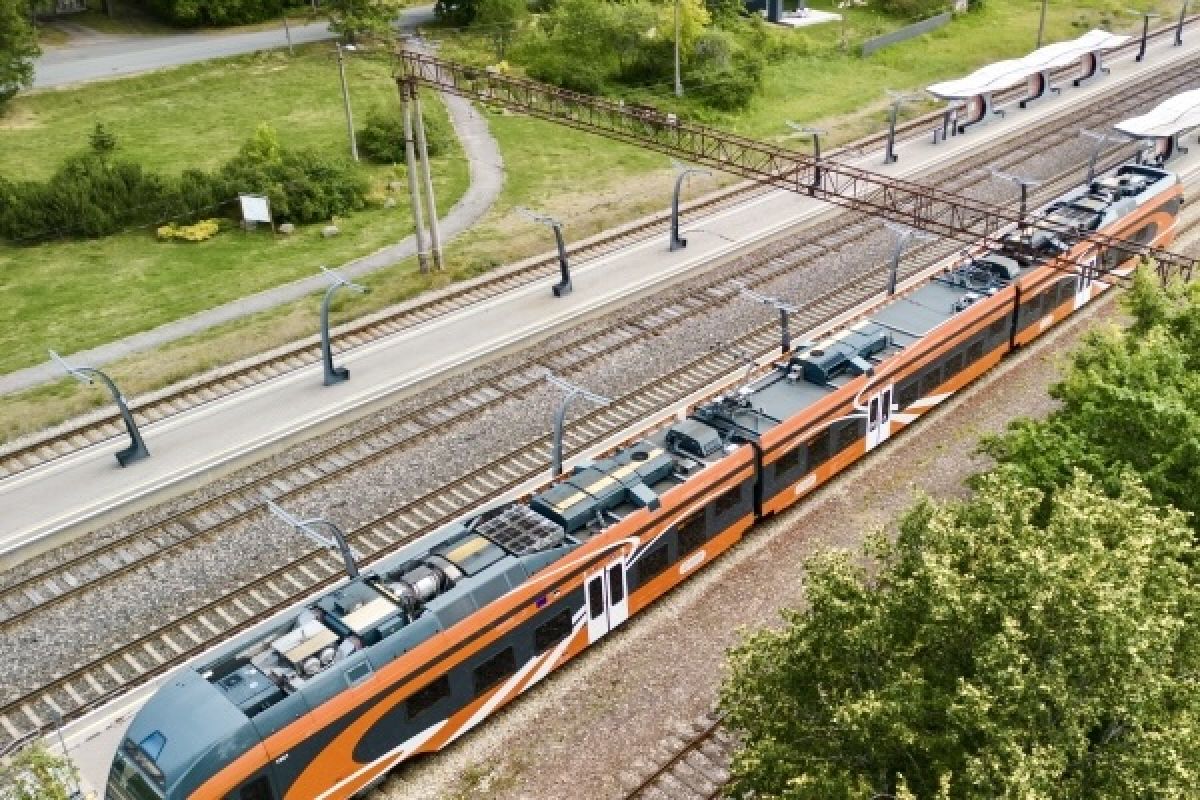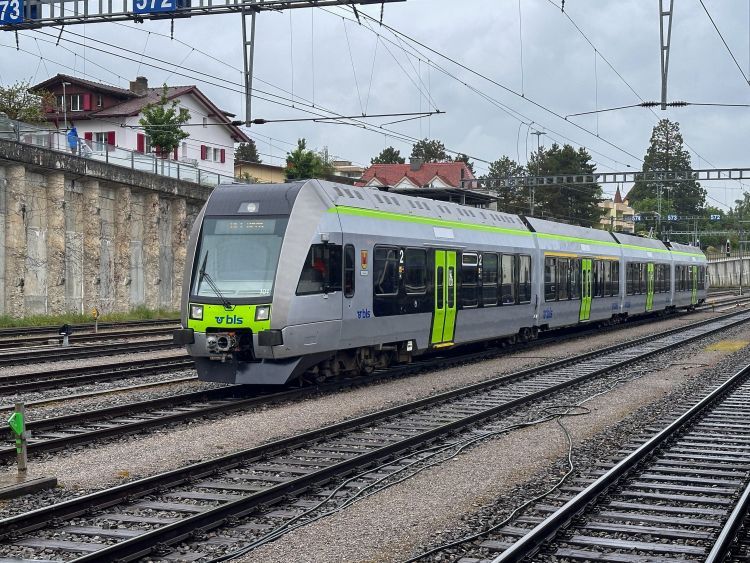
Over the next three years, 25 of the BLS RABe535 electric multiple units will undergo significant upgrades at the Bönigen workshop, with the first refurbished train re-entering service in early June.
Upgrading for Longevity and Efficiency
Introduced in 2009, the Lötschberger trains are now undergoing a mid-life overhaul, known in industry terms as a refit, to extend their operational life until 2037. This refit process will make the trains more energy-efficient, featuring CO2 sensors to regulate fresh air supply based on demand.
Additionally, the interior lighting will be updated from neon tubes to brighter, more efficient LED lights. Passengers will also benefit from the replacement of single power outlets with double outlets, providing two sockets per four-seat compartment.
Design and Functional Enhancements
Beyond technical improvements, the exterior design of the Lötschberger trains will be updated to align with the newer MIKA trains.
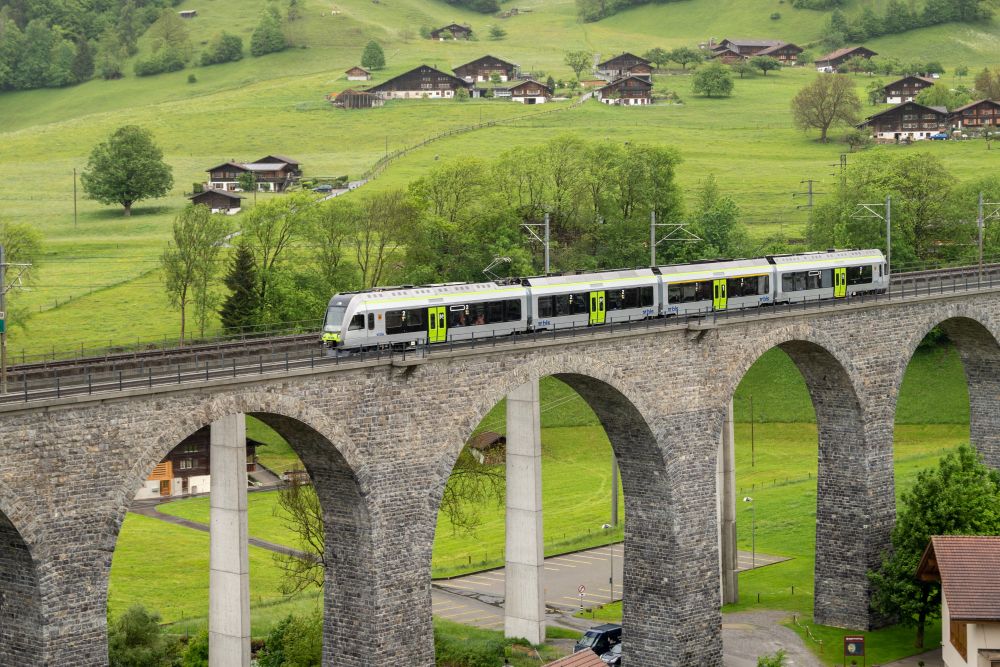
While the name Lötschberger will remain, the corresponding signage on the trains will be removed. Originally named for their intended use on the Bern–Brig route via the Lötschberg mountain line, these trains now operate across the entire BLS network.
Implementation Timeline and Costs
The modernization of the 25 Lötschberger trains will take approximately three years, with the work being carried out at BLS's own Bönigen facility. To maintain regular service, a maximum of two trains will be refurbished simultaneously.
The entire refit project is estimated to cost around 17 million Swiss francs, fully funded by regional passenger transport.
Fleet Harmonization Strategy
The Lötschberger trains, which entered service between 2009 and 2013, are being modernized in a way that aligns their eventual phase-out with that of the NINA fleet.
This synchronized timeline will allow BLS to replace both fleets simultaneously with new vehicles, streamlining and improving the efficiency of their overall fleet management.